

Maintaining a strong and secure roof is crucial for the overall health of a building. Two significant challenges in this regard are roof penetration and roof leaks. Roof penetrations are intentional openings like vents or pipes, while leaks can result from various causes.
In this discussion, we’ll explore the causes of roof penetration, factors leading to roof leaks, and practical ways to prevent these issues, ensuring the reliability of roofing systems.
Related article: What are the signs of a bad AC condenser? How often should AC condenser be replaced? How much does AC condenser replacement cost in Australia?
Is roof penetration and roof leak the same thing?
Roof penetration and roof leaks are related concepts, but they refer to different aspects of a building’s roofing system.
Let’s break down these terms to understand their distinctions and how they contribute to the overall health of a roof.
Roof Penetration:
Roof penetration involves intentional openings or structures that extend through the roof. These can include vents, chimneys, skylights, pipes, and other components designed to serve various functions within a building. While roof penetrations are essential for ventilation, plumbing, and other necessities, they can potentially become points of vulnerability if not properly installed or maintained.
These intentional openings create pathways for potential issues, such as water leaks, if the seals and flashings around them are compromised. Proper installation, maintenance, and sealing around roof penetrations are crucial to preventing problems like leaks and ensuring the overall integrity of the roofing system.

Roof Leak:
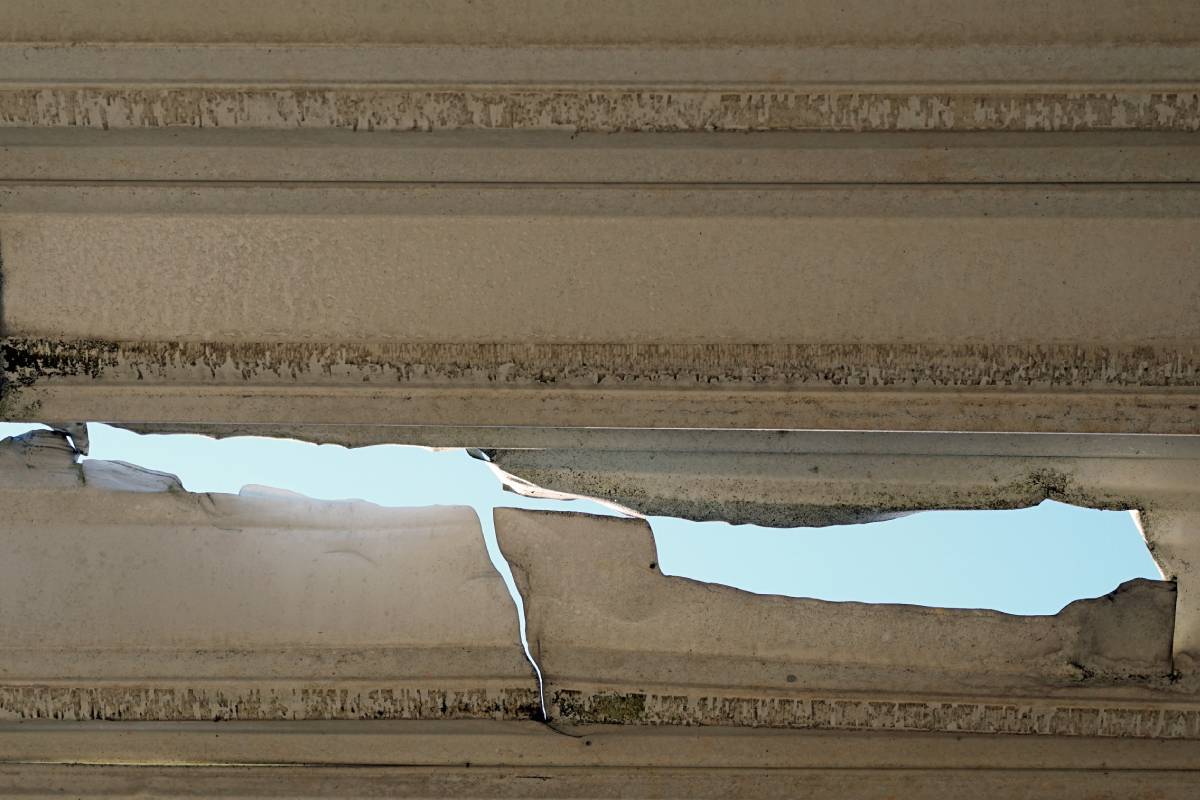
A roof leak, on the other hand, is the unintended entry of water into the building through the roof. Roof leaks can occur for various reasons, and one common cause is related to problems around roof penetrations. If the flashing, seals, or other protective elements around roof penetrations fail, water can find its way into the building, leading to potential damage, mould growth, and other issues.
In essence, while roof penetrations are intentional openings designed to accommodate various building systems, a roof leak is an unintended consequence that may occur if these penetrations are not properly sealed or maintained.
What are the causes of roof penetration and how I can prevent it?
Roof penetrations are intentional openings or elements that extend through the roof, such as vents, chimneys, skylights, pipes, and other structural components. These are typically planned features of a building to accommodate various systems and functions.
You might have questions like what are the causes of roof penetrations and how to prevent problems related to them, we can provide some information:
Improper Installation
Cause: Incorrect installation of roof penetrations can lead to vulnerabilities and potential leaks.
Prevention: Ensure that roof penetrations are installed according to manufacturer specifications and industry standards. Employ experienced professionals for installation.
Poor Flashing and Sealing
Cause: Inadequate flashing or sealing around roof penetrations can allow water infiltration.
Prevention: Use high-quality flashing materials and ensure proper sealing. Regularly inspect and maintain flashing to prevent deterioration.
Age and Deterioration
Cause: Over time, materials around roof penetrations can degrade, leading to potential issues.
Prevention: Regularly inspect and replace ageing or damaged components. Implement a proactive maintenance plan.
Lack of Maintenance
Cause: Neglecting regular inspections and maintenance can allow small issues to escalate.
Prevention: Schedule regular roof inspections and maintenance. Address any signs of wear or damage promptly.
Design Flaws
Cause: Poor design of roof penetrations can lead to water pooling or other issues.
Prevention: Work with experienced architects and contractors to design roof penetrations that minimize the risk of leaks. Consider factors such as slope, material compatibility, and exposure to environmental conditions.
Pest Intrusion
Cause: Pests, such as birds or insects, can enter through roof penetrations, causing damage.
Prevention: Install protective measures like screens or covers to deter pests. Regularly inspect and address any signs of infestation.
Extreme Weather Conditions
Cause: Severe weather events can damage or compromise the integrity of roof penetrations.
Prevention: Choose roofing materials and penetration designs that can withstand the specific weather conditions of your region.
Inadequate Ventilation
Cause: Poor ventilation around roof penetrations can lead to moisture-related issues.
Prevention: Ensure proper ventilation to prevent moisture buildup. Address any ventilation concerns during the design and installation phases.