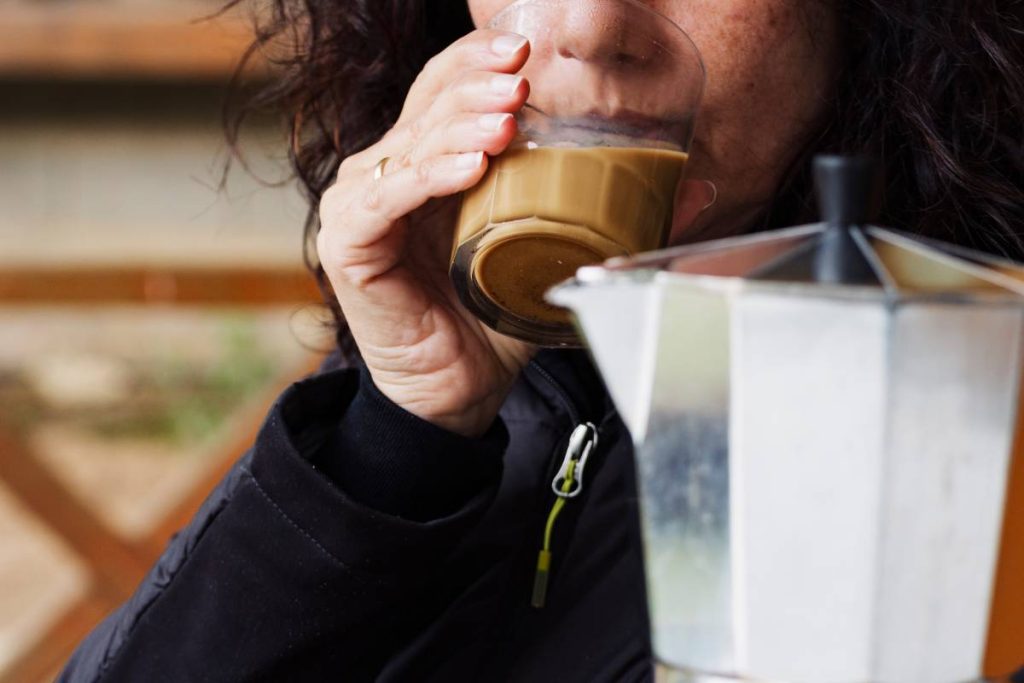

Coffee is one of the most beloved beverages worldwide, with millions starting their day with a freshly brewed cup. Considering that coffee is composed of over 90% water, in fact, coffee has around 98% water contained, it might seem surprising that drinking coffee can sometimes leave you feeling thirstier than before.
This paradox has left many coffee drinkers wondering: why does coffee, a hydrating drink on the surface, make us feel dehydrated or thirsty? Let’s explore the science behind this phenomenon, examining coffee’s unique composition, how it interacts with your body, and what you can do to enjoy your coffee without thirst.
The Role of Caffeine: A Mild Diuretic
The primary reason coffee can make you feel thirsty lies in its caffeine content. Caffeine is a natural stimulant found in coffee beans that provides the energy boost coffee lovers seek. However, caffeine also acts as a mild diuretic, meaning it increases urine production by signalling the kidneys to excrete more sodium and water.
When you drink coffee, your body processes the caffeine, and the kidneys may filter out more fluid than they normally would. As a result, you could lose more water through urination than you gain from the coffee itself, leaving your body slightly dehydrated.
That said, the diuretic effect of caffeine is mild, and research shows that regular coffee drinkers develop a tolerance to this effect over time. This means habitual coffee drinkers may not experience significant dehydration, but occasional or sensitive drinkers might feel thirstier after their cup of coffee.

Acidity and Its Impact on Hydration
Coffee is an acidic beverage, with a pH ranging from 4.5 to 5.0. This acidity can stimulate your stomach to produce more gastric acid. While this is helpful for digestion, it can also irritate your stomach lining and cause mild dehydration due to increased water movement in your digestive tract.
Acidic beverages like coffee can also create a dry sensation in the mouth or throat, making you feel thirsty even if your body isn’t dehydrated. This sensation might be mistaken for dehydration, prompting you to drink more water to counteract it.
The Bitter Taste of Coffee and Thirst
Another factor contributing to post-coffee thirst is its taste. Coffee’s bitter compounds, such as chlorogenic acid and quinic acid, can trigger a dry or astringent feeling in the mouth. This sensation is often associated with thirst, leading your brain to signal that you need more water to counteract it.
While adding milk, sugar, or cream to coffee can soften its bitterness, the underlying compounds remain present. Black coffee drinkers, in particular, might notice a stronger correlation between drinking coffee and feeling thirsty.
Coffee and Electrolyte Imbalance
Electrolytes like sodium, potassium, and magnesium are essential for maintaining your body’s hydration levels and overall balance. Caffeine can influence your body’s electrolyte levels by promoting their excretion through urine.
When you lose electrolytes, your body may feel dehydrated even if you’re consuming a liquid like coffee. The imbalance can prompt your body to crave water or electrolyte-rich fluids to restore balance. This is especially noticeable after consuming multiple cups of coffee in a short period.
The Temperature Factor: Hot Coffee vs. Cold Coffee
The temperature of your coffee can also play a role in how thirsty you feel after drinking it. Hot coffee, especially when consumed in warmer climates or after physical activity, can raise your body temperature slightly. This can lead to increased perspiration and fluid loss, making you feel thirstier.
On the other hand, iced coffee or cold brews may have a cooling effect on the body, but they don’t completely negate the other factors mentioned above, such as caffeine’s diuretic properties or the acidity of the beverage.

The Body’s Natural Thirst Mechanism
Your body has a sophisticated system for managing hydration, and consuming coffee can sometimes interfere with this balance. When you drink coffee, your body prioritizes processing caffeine and other compounds, which can temporarily shift its focus away from hydration.
Additionally, drinking coffee instead of plain water can delay your body’s natural hydration process. Even though coffee is mostly water, it doesn’t hydrate you as efficiently as pure water because of its diuretic and metabolic effects.
Individual Sensitivities to Coffee
Not everyone experiences thirst after drinking coffee, and individual responses can vary widely. Factors such as age, body size, caffeine tolerance, and overall hydration status play a role in how coffee affects you.
For instance, someone who is already mildly dehydrated may feel thirstier after drinking coffee, as their body signals the need for pure hydration rather than a caffeinated beverage. Meanwhile, a well-hydrated person with a high caffeine tolerance might not notice any thirst at all.
Coffee and Lifestyle Factors
The way you consume coffee also influences whether or not it makes you thirsty. Drinking coffee on an empty stomach can amplify its diuretic and acidic effects, leading to a greater sensation of thirst. Similarly, pairing coffee with salty or dehydrating foods (like pastries or snacks) can increase the likelihood of feeling thirsty.
Moreover, if you drink coffee as a substitute for water throughout the day, you might gradually become dehydrated without realizing it. This cumulative effect can leave you thirstier than if you had balanced your coffee intake with adequate water consumption.

How to Reduce Thirst While Enjoying Coffee
While coffee’s effects on thirst are natural and largely unavoidable, there are simple ways to mitigate them so you can enjoy your cup of joe without feeling parched:
- Drink Water Alongside Your Coffee:
One of the easiest ways to combat thirst is to drink a glass of water before or after your coffee. This can offset any fluid loss caused by caffeine and keep your body hydrated. - Choose Low-Caffeine Options:
Opting for decaffeinated or low-caffeine coffee can reduce the diuretic effect of caffeine, making you less likely to feel thirsty. - Add Milk or Cream:
Adding milk or cream to your coffee can reduce its acidity and bitterness, which may help minimize the dry-mouth sensation that leads to thirst. - Limit Coffee Intake:
Moderation is key. Limiting yourself to one or two cups of coffee per day can reduce the likelihood of dehydration and help you stay hydrated. - Snack Smartly:
Pair your coffee with hydrating snacks like fresh fruits or vegetables instead of salty or sugary treats that can contribute to dehydration. - Stay Mindful of Timing:
Avoid drinking coffee during hot weather or after intense exercise when your body is already prone to fluid loss.
Conclusion: Coffee, Hydration, and Balance
While coffee is more than 90% water, its unique combination of caffeine, acidity, and other compounds can influence your hydration levels and make you feel thirsty. Factors like caffeine’s mild diuretic effect, coffee’s bitter taste, and individual sensitivities all contribute to this seemingly paradoxical experience.
Understanding these effects can help you enjoy coffee without compromising your hydration. By balancing your coffee intake with water, choosing low-caffeine options, and being mindful of how your body reacts, you can savour your daily brew while staying hydrated and refreshed.
So, the next time you feel thirsty after a cup of coffee, don’t worry—it’s just your body’s natural response. Drink a glass of water, and you’ll be ready for your next sip of coffee in no time!