Obtaining a CPR certification is more than just a checkbox on a list of skills—it’s an empowering journey that equips individuals with the ability to save lives.
In this exploration, we’ve delved into the fundamentals of CPR, demystified the process of obtaining certification, and uncovered the array of benefits it brings. From life-saving skills to professional opportunities and community contributions, let’s unravel the significance of CPR certification and how it transcends personal development.
A CPR certification is a special recognition that shows an individual has successfully completed training in Cardiopulmonary Resuscitation (CPR). In simpler terms, it means they’ve learned how to help someone whose heart has stopped beating or who is not breathing.
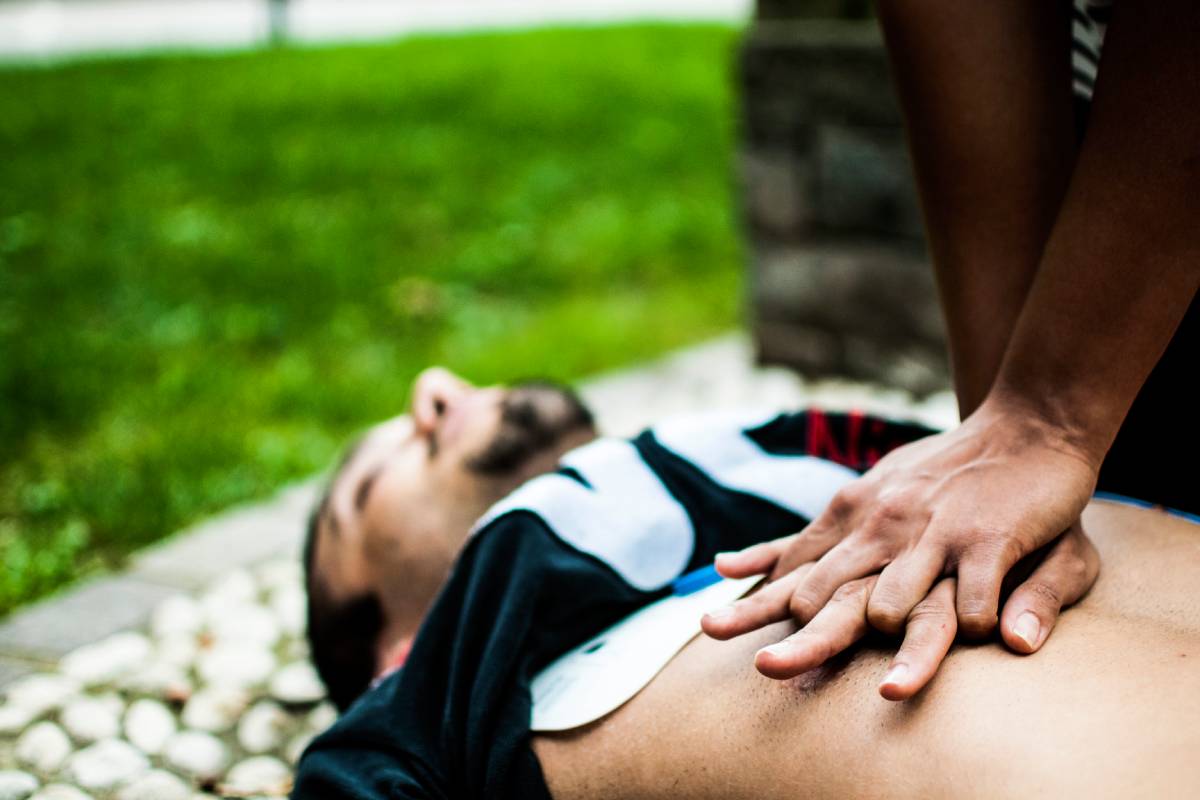
CPR is a life-saving technique used in emergencies when someone’s heart stops or they can’t breathe for various reasons such as they’re drowning, poisoning from hydrangeas, or extreme allergy. The purpose of CPR is to manually pump blood and provide oxygen to the body when the natural circulation and breathing have stopped. This immediate response can make a crucial difference until professional help arrives.
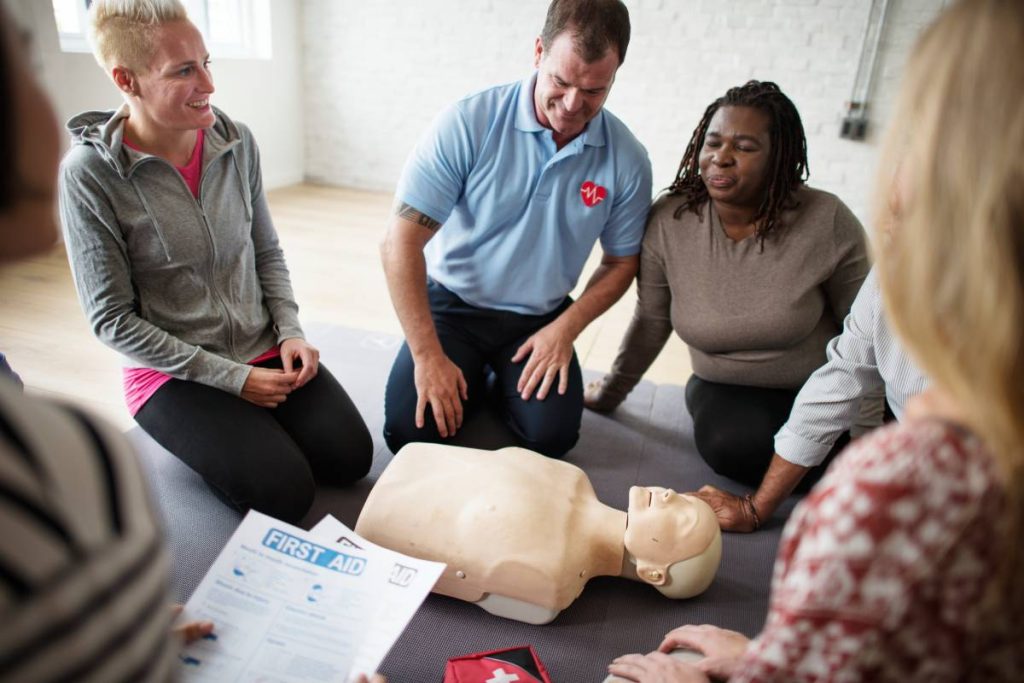
CPR certifications are typically obtained through training courses offered by organizations like the American Heart Association or the Red Cross. These courses teach individuals the necessary skills to assess a situation, perform CPR, and use automated external defibrillators (AEDs) if available. AEDs are devices that can deliver an electric shock to the heart, potentially restoring a normal rhythm.


The certification process usually involves both theoretical and practical components. Participants learn about the basics of CPR, the importance of quick action, and how to recognize signs of cardiac arrest. The hands-on training allows individuals to practice chest compressions and rescue breaths on mannequins, gaining confidence in their ability to perform CPR if needed.
Having a CPR certification is valuable because it means the certified person is equipped to respond effectively in emergencies. It’s not just for healthcare professionals; anyone can benefit from CPR training. Accidents and emergencies can happen anywhere, and having people in various settings with CPR skills increases the chances of saving lives.
The certification is often required for certain professions, such as healthcare providers, lifeguards, and fitness instructors. Many workplaces also encourage or require employees to get certified to create a safer environment. Additionally, parents, teachers, and community members often pursue CPR certification to be better prepared for unexpected situations.
One of the key aspects of CPR is the concept of the “chain of survival.” This chain outlines a series of critical steps, including early recognition of the emergency, prompt activation of emergency medical services (EMS), early CPR, and rapid defibrillation if necessary. Each link in this chain plays a vital role in increasing the chances of survival for someone experiencing cardiac arrest.
CPR certification is not a one-time achievement. It’s essential to undergo periodic re-certification to stay updated on any changes in guidelines or techniques. This ensures that certified individuals maintain their skills and knowledge, keeping them prepared to respond effectively in real-life situations.
What are the benefits of CPR certification?
Obtaining a CPR certification comes with several valuable benefits that extend beyond personal development. Here’s a clear and concise overview of the advantages of being CPR-certified:

- Life-Saving Skills: The most significant benefit of CPR certification is gaining life-saving skills. You’ll learn how to respond effectively in emergencies, providing immediate assistance to someone experiencing cardiac arrest or respiratory failure. Your actions can make a crucial difference in those critical first few minutes before professional help arrives.
- Increased Confidence: CPR training boosts your confidence in handling emergency situations. Knowing that you have the skills to perform CPR can help you stay calm and composed, enabling you to provide timely assistance without hesitation.
- Ability to Help Others: Having a CPR certification means you can be a proactive helper in your community. Whether at home, work, or in public spaces, your ability to administer CPR can be the key to saving a life. Being prepared to assist others in distress fosters a sense of responsibility and community well-being.
- Professional Opportunities: Many professions require CPR certification as part of their job qualifications. Healthcare professionals, lifeguards, teachers, fitness instructors, and even some office settings may prefer or mandate employees to be CPR-certified. Having this certification can enhance your employability and open up new job opportunities.
- Safer Work Environment: In workplaces where employees are CPR-certified, there is an overall improvement in safety. Whether it’s an office, school, or manufacturing plant, having trained individuals creates a safer environment. Quick response to medical emergencies can minimize the impact of accidents and save lives.
- Compliance with Regulations: Some industries and organizations are subject to regulations that mandate CPR training for employees. By obtaining certification, you ensure compliance with these regulations, demonstrating a commitment to safety and meeting legal requirements.
- Peace of Mind: Knowing that you possess the skills to intervene in a crisis provides a sense of peace of mind. Whether you’re at home or out in the community, being CPR certified means you are better prepared to handle unforeseen emergencies, reducing anxiety and fear associated with such situations.
- Team Preparedness: CPR certification often extends beyond individual benefits. When multiple people within a community or workplace are certified, it creates a team that is collectively prepared to respond to emergencies. This collaborative effort can significantly improve the chances of successful outcomes.
- Family Safety: CPR training is beneficial for personal and family safety. In households where family members are CPR-certified, there is an added layer of protection. This is especially crucial in situations where immediate response is essential, such as with infants, elderly family members, or individuals with pre-existing health conditions.
- Community Contribution: Being CPR-certified allows you to contribute positively to your community. Whether it’s volunteering, participating in community events, or simply being a responsible bystander, your skills can make a difference in the well-being of those around you.