


Keeping your home cool and comfortable relies heavily on a well-functioning air conditioning (AC) system, with the AC condenser playing a pivotal role. Whether you’re in Australia considering the cost of a replacement, contemplating how often to replace your AC condenser, or trying to decipher the signs of a malfunction, understanding these aspects is crucial.
In this exploration, we will delve into the cost considerations of AC condenser replacement in Australia, the ideal replacement frequency, and the telltale signs that your AC condenser might need attention. Let’s demystify these aspects and empower you to make informed decisions about your cooling system.
Another interesting story: How to Prune Hydrangeas? What is the best month to prune hydrangeas? Should you deadhead hydrangeas?
Detecting signs of a malfunctioning air conditioning (AC) condenser is essential for maintaining a cool and comfortable indoor environment. The AC condenser plays a crucial role in the cooling process, and when it starts to go bad, certain indicators become apparent. Recognizing these signs can help you address issues promptly and avoid potential breakdowns. Here are some easy-to-understand signs that your AC condenser may be in trouble:


- Warm Air Flow: One of the most straightforward signs of a failing AC condenser is warm or hot air blowing from the vents when the system is set to cool. This could indicate a problem with the condenser’s ability to release heat from the refrigerant.
- Inadequate Cooling: If your AC system struggles to cool your space effectively, even when running continuously, it suggests a compromised condenser. Reduced cooling capacity may result from issues such as dirty or damaged coils or refrigerant leaks.
- Unusual Noises: Pay attention to any unusual sounds coming from your outdoor unit. Grinding, clicking, or hissing noises could signal mechanical or electrical issues within the condenser. These sounds may indicate that internal components are wearing out or that there’s a problem with the fan or compressor.
- Frequent Cycling On and Off: A healthy AC system operates in regular cycles to maintain a consistent temperature. If you notice your system constantly turning on and off (short-cycling), it could be a sign of a malfunctioning condenser. This behaviour may result from issues like an overcharged or undercharged refrigerant.
- Leaking Refrigerant: Refrigerant is crucial for the cooling process, and any leakage can negatively impact the system’s performance. If you observe refrigerant puddles or notice a hissing sound near the outdoor unit, it’s a clear sign of a problem that needs immediate attention.
- Visual Wear and Tear: Inspect the exterior of your AC condenser for visible signs of damage or wear. Damaged fins, bent coils, or other physical issues can hinder the condenser’s efficiency. Over time, exposure to the elements can cause corrosion, reducing the unit’s lifespan.
- Increased Energy Bills: A sudden spike in energy bills without a corresponding increase in usage can be indicative of an inefficient AC system. A struggling condenser may require more energy to maintain the desired temperature, leading to higher electricity costs.
- Ice Formation on the Condenser: While it might seem counterintuitive, the presence of ice on the AC condenser is a red flag. Ice buildup can result from issues like refrigerant leaks or insufficient airflow, both of which can impair the condenser’s performance.
- Age of the System: As with any appliance, the age of your AC system is a critical factor. If your unit is approaching or exceeding its expected lifespan (typically 10 to 15 years), it’s more prone to developing issues, and a failing condenser may be on the horizon.
If you observe any of these signs, it’s advisable to consult with a professional HVAC technician. Prompt diagnosis and repairs can prevent further damage, extend the life of your AC system, and keep your indoor environment comfortably cool. Regular maintenance can also help identify and address potential issues before they escalate.

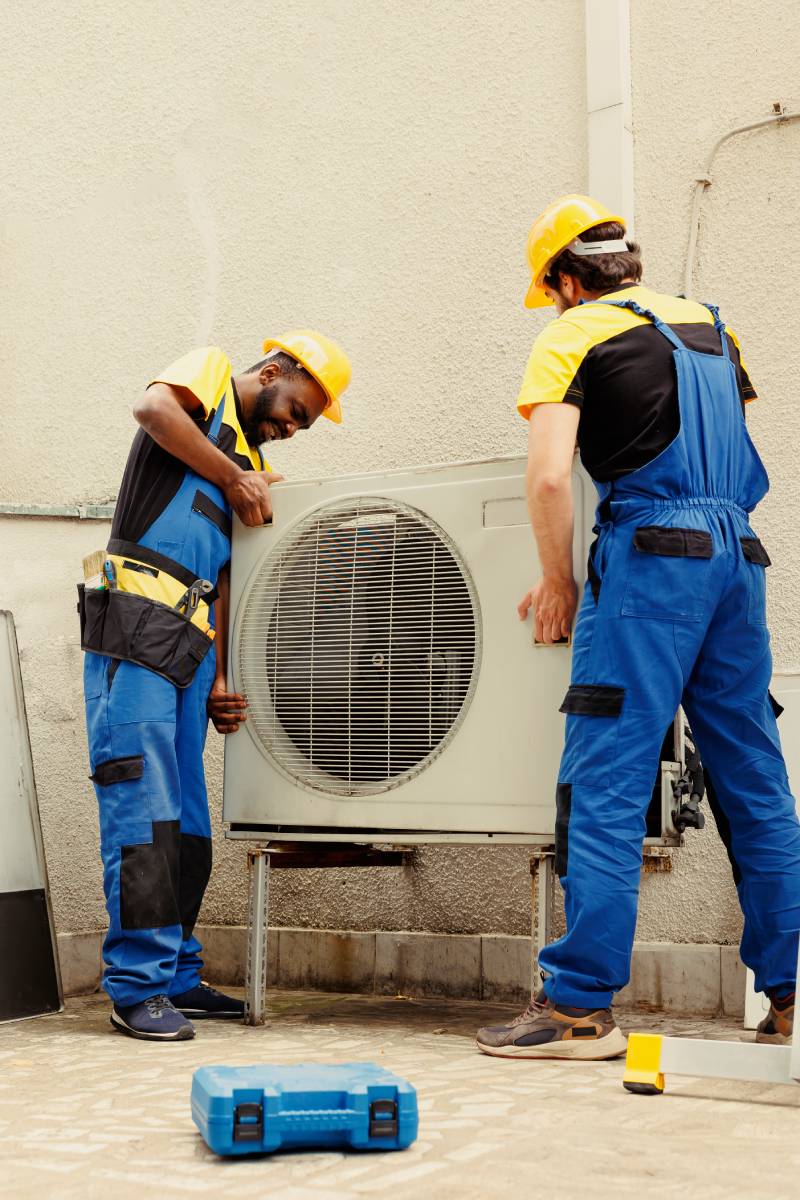
Air conditioning is a crucial component in keeping our homes and offices comfortable, especially during hot weather. When the AC condenser starts acting up, it might be time to consider a replacement. In Australia, the cost of replacing an AC condenser can vary based on several factors.
The primary factor influencing the cost of AC condenser replacement is the type and brand of the unit. Different brands offer various features and performance levels, affecting the overall price. Additionally, the type of AC system in your home or office, whether it’s a split system, ducted system, or a wall-mounted unit, can influence the replacement cost.

On average, the cost of AC condenser replacement in Australia can start from $500 mark, and depending on the vehicle and location of the condenser, this can increase to $900+. This wide range is due to the factors mentioned earlier, as well as the size of the unit and the complexity of the installation process. Smaller units with simpler installations tend to be on the lower end of the cost spectrum, while larger and more intricate systems can be on the higher end.
It’s essential to note that labour costs also contribute significantly to the overall expense. Hiring a professional technician to install the new AC condenser ensures that the replacement is done correctly and efficiently. Labor costs can vary based on the complexity of the installation, location, and the technician’s experience. On average, expect to pay anywhere from $100 to $500 for labour.
To get an accurate estimate for your specific situation, it’s recommended to contact local HVAC (Heating, Ventilation, and Air Conditioning) service providers. They can assess your current AC system, determine the appropriate replacement unit, and provide a detailed cost estimate.
When considering AC condenser replacement, it’s essential to weigh the upfront costs against the potential long-term benefits. Newer and more energy-efficient units may have a higher initial cost but can result in lower energy bills over time. Additionally, they often come with improved features and better performance, contributing to a more comfortable indoor environment.
Before making a decision, it’s advisable to explore different brands, read customer reviews, and consult with HVAC professionals to ensure you choose a replacement unit that meets your specific needs and budget.
To conclude
In the realm of air conditioning, staying ahead of potential issues is the key to uninterrupted comfort. Whether you’re navigating the costs associated with AC condenser replacement in Australia, gauging the lifespan of your unit, or recognizing signs of trouble, proactive awareness is your ally.
Regular inspections and timely repairs can extend the life of your AC condenser, ensuring that you enjoy cool and refreshing air for years to come. As you navigate the intricacies of AC maintenance and replacement, remember that an informed approach is your best tool for a consistently comfortable indoor environment.


