


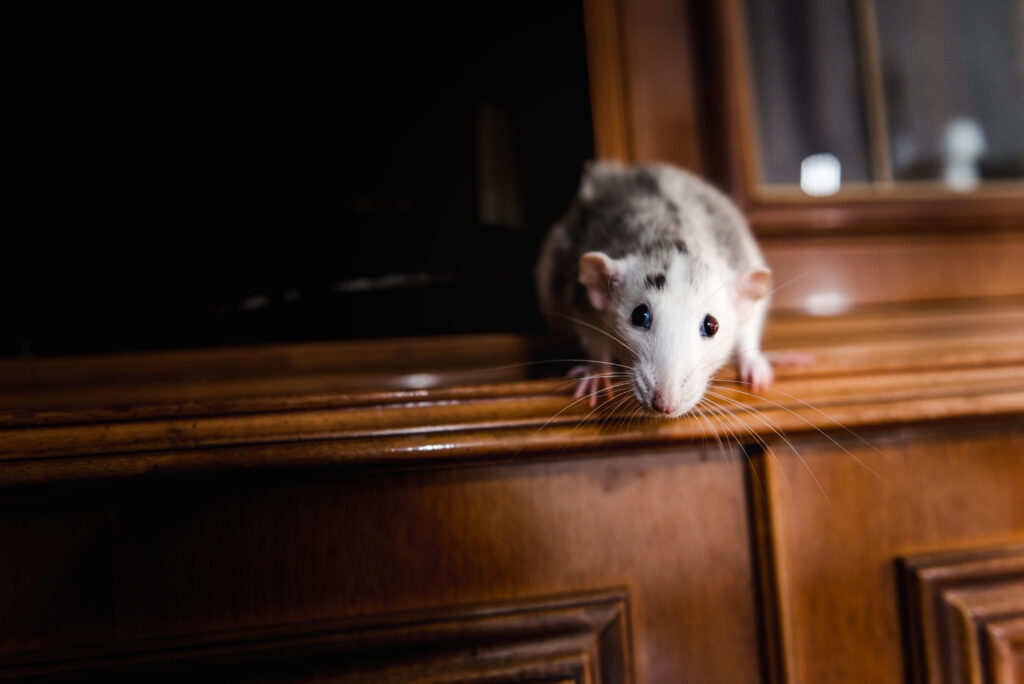
Brisbane homeowners are quick to blame every noise in the roof cavity on possums. It’s an easy assumption — the city has plenty of them, and they’re loud enough to convince anyone. But possums aren’t the only thing moving around up there after dark, and mistaking a rodent infestation for a possum visit is one of the most common (and costly) misreads in home maintenance.
Rats and mice behave very differently to possums, and knowing the difference can save you thousands in structural and electrical repairs. It can also mean the difference between catching a problem in its first few weeks and discovering it months later, once a nest has fully established itself somewhere you can’t easily see.
Why Brisbane Homes Are Particularly Attractive to Rodents
Queensland’s warm, humid climate keeps rodent breeding cycles active almost year-round, unlike southern states where colder months slow things down. A single breeding pair of mice can produce a new litter roughly every three weeks, and those offspring are capable of breeding themselves within six weeks of being born. In a climate that never really forces a pause, that math adds up fast.
Combine that biological reality with Brisbane’s mix of older Queenslanders (raised on stumps, timber floors, plenty of gaps) and denser modern developments packed close together, and you’ve got ideal rodent real estate: warm, dry, close to food, and rarely disturbed. Roof cavities in particular are close to perfect nesting environments — insulated, dark, and usually the last part of the house anyone actually inspects.
Storm season adds another layer to the problem. Heavy rain and wind damage roofing, guttering, and eaves, opening up small entry points that rodents exploit almost immediately. If your home has been through a rough patch of weather recently, it’s worth understanding how storm damage actually happens and what it opens your property up to — a cracked ridge cap or lifted flashing that looks minor from the ground is often exactly where a mouse gets its first foothold. Even damage that seems purely cosmetic from the street can create an entry point that’s invisible unless you’re up on the roof looking for it.
The Tell-Tale Signs (That Aren’t a Possum)
Possums are big, heavy, and tend to move in a single, obvious direction — usually thumping across the ceiling at a predictable time each evening, generally right after dusk. Rodents are a different story entirely, and the signs tend to show up in more places than just the roof:
- Scratching that’s constant and erratic, rather than one heavy set of footsteps moving in a straight line
- Small, dark, rice-grain-sized droppings near pantries, skirting boards, or under sinks — often the first sign homeowners actually notice
- Gnaw marks on food packaging, skirting boards, cardboard boxes, or even electrical cabling
- A persistent musky or ammonia-like smell, especially in enclosed spaces like cupboards, roof voids, or under-house storage
- Greasy smear marks along walls and skirting boards where rodents repeatedly travel the same route, caused by oils and dirt on their fur
- Nesting material such as shredded paper, fabric, or insulation bundled into a corner of a cupboard, wall cavity, or roof space
If you’re noticing two or more of these at once, it’s a strong signal that whatever’s making the noise isn’t a single visiting possum.
The Electrical Risk Most Homeowners Underestimate
The electrical wiring point deserves more attention than it usually gets. Rats and mice gnaw constantly to keep their incisors worn down, and a roof cavity full of exposed electrical cabling is an easy, convenient target. Chewed insulation on live wiring is a genuine fire risk, not just a repair inconvenience, and it’s one of the more expensive consequences of letting an infestation run unchecked.
It’s the same reason roof and gutter maintenance matters more than most homeowners realise. Once water or pest damage compromises the roofline, the flow-on costs to guttering and general upkeep tend to stack up quickly if the underlying entry points aren’t sealed. A blocked or damaged gutter holds moisture against the roofline, which softens timber and fascia boards over time — exactly the kind of soft, compromised material a rodent finds easy to gnaw through to get inside.
Why DIY Traps Rarely Solve It
Supermarket snap traps and bait stations aren’t useless, but they’re built for isolated encounters, not established infestations. A single mouse found in the kitchen is often the visible tip of a nest that’s already established itself in the wall cavity or roof space. Store-bought solutions typically miss:
- The actual nesting location, which is often well out of reach or sight
- Multiple entry points around the property, since rodents rarely use just one
- The speed at which rodents reproduce, meaning a trap catching one or two individuals barely dents an established population
- Correct bait placement and rotation, since rodents can become trap-shy after repeated failed attempts by amateur setups
This is where a professional inspection earns its cost. A proper assessment identifies entry points you’d never spot from inside the house — gaps around pipe penetrations, degraded weatherboard joints, unsealed vents — and targets the nest directly rather than just the rodent that happened to wander into view.
What a Proper Inspection and Treatment Actually Involves
A genuine rodent control service works differently to a DIY approach. It typically starts with a full property inspection to map entry points and activity zones, followed by targeted treatment using bait stations or traps suited to the specific environment (residential kitchens require different handling to a warehouse subfloor, for example). The final and often most overlooked step is proofing: sealing the gaps, cracks, and vents that let rodents in during the first place, so the same access point doesn’t simply invite the next generation.
Ongoing monitoring matters too. Rodent problems in Brisbane rarely stay solved on their own, particularly in older homes with plenty of original gaps still unaddressed, so a follow-up check a few weeks after initial treatment is a meaningful part of a proper service rather than an optional extra.
Simple Habits That Reduce the Risk Between Treatments
Professional treatment solves an existing problem, but a few everyday habits make it far less likely to return:
- Store dry food in sealed containers rather than original packaging
- Clean up spills and crumbs promptly, especially around pantries and pet feeding areas
- Take rubbish out regularly rather than letting it sit in an open bin overnight
- Fix dripping taps and standing water sources, since rodents need water as much as food
- Keep garden beds and mulch pulled back from the base of the house, which reduces cover right at ground-level entry points
None of these habits will fix an existing infestation on their own, but combined with professional treatment, they make a genuine difference to how likely the problem is to recur.
When to Call in a Specialist
For anyone in South-East Queensland dealing with ongoing scratching, droppings, or damage that doesn’t match typical possum behaviour, it’s worth getting a proper opinion from a specialist rather than guessing. Rodent Pest Control Brisbane handles residential and commercial infestations across Brisbane, working through inspection, targeted treatment, and entry-point proofing so the problem doesn’t just come back with the next cold snap or the next round of storm damage.
The Bottom Line
Not every noise in the ceiling is a possum settling in for the night, and treating a rodent problem like one usually means the infestation has weeks — sometimes months — to establish itself before anyone notices. If the signs line up (erratic scratching, droppings, gnaw marks, that unmistakable smell), it’s worth acting on it early rather than waiting for the damage bill, or a chewed wire, to decide for you.


