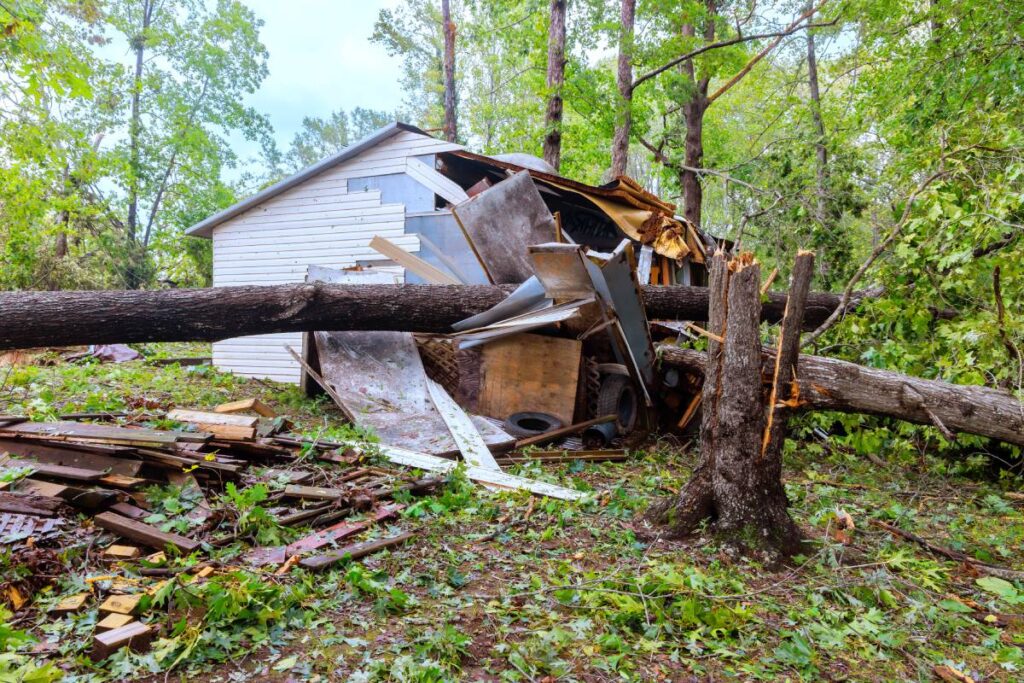

The aftermath of a severe storm is often silent, but the visual evidence can be overwhelming. Whether it was a hurricane, a severe thunderstorm, or a hail event, seeing your home damaged creates an immediate sense of vulnerability. But understanding how the damage occurred is the first step toward properly fixing it and preventing it from happening again.
This guide delves into the physics of storm damage—how wind, water, and impact affect your home’s structure—and provides a comprehensive roadmap for repair and restoration.
Table of Contents
- The Physics of Destruction: How Storms Damage Homes
- Identifying the 4 Major Types of Storm Damage
- Immediate Safety and Mitigation Steps
- How to Fix Storm Damage: Repair vs. Replace
- Navigating the Insurance Claims Process
- Conclusion & Next Steps
The Physics of Destruction: How Storms Damage Homes
To fix damage effectively, you must understand the force that caused it. Houses are built to withstand vertical loads (gravity), but storms often apply lateral (sideways) or uplift forces that structures aren’t always engineered to handle perfectly.
The Wind Load Factor
Wind doesn’t just push against a wall; it flows over and around your house. This creates positive pressure on the windward wall (pushing it in) and negative pressure (suction) on the leeward wall and the roof.
Note: If wind enters the home through a broken window or door, the internal pressure rises rapidly. Combined with the suction on the roof, this can cause the roof to literally lift off the walls. This is known as “uplift.”
Water and Hydrostatic Pressure
Water is relentless. When storm drains clog or rain falls faster than the ground can absorb, water pools against your foundation. This creates hydrostatic pressure—the force of standing water pushing against your basement walls. This pressure can force water through microscopic cracks in concrete, leading to structural weakening and mould growth.
Identifying the 4 Major Types of Storm Damage
Before you can repair, you must inspect. However, do not attempt to inspect a roof or structure if it looks unstable.
1. Wind Damage
Wind searches for the weakest point in your home’s exterior shell.
- Roofing: You may see missing shingles, but look closer. Lifted shingles may have broken sealant strips. Once the seal is broken, future storms will rip them off easily.
- Siding: Vinyl siding can crack or unzip from its locking mechanism.
- Fencing: Leaning fences indicate that the wind load exceeded the post’s footing strength.
2. Hail Impact
Hail damage is deceptive because it is often invisible from the ground.
- Asphalt Shingles: Hail creates “bruises” on shingles. It knocks off the protective mineral granules. Without these granules, the asphalt is exposed to UV rays, causing it to bake, crack, and eventually leak.
- Soft Metals: Check gutters, downspouts, and AC condenser fins for dents.
3. Water Intrusion
Water damage is divided into two categories: Wind-driven rain (entering through vents, windows, or roof damage) and Floodwater (rising from the ground).
- Signs: Water stains on ceilings (yellow/brown rings), peeling paint, or warped floorboards.
- Hidden Danger: Moisture trapped behind siding or in insulation leads to black mould within 24-48 hours.
While storm-driven rain is a primary cause of water damage, it often exploits pre-existing weaknesses in your home’s armour. Water will always follow the path of least resistance, which is why compromised flashing around vents or chimneys is a common entry point. Understanding the specific mechanics of roof penetrations versus general leaks can help you distinguish between storm damage and maintenance issues during your inspection.
4. Impact Damage (Debris)
Flying debris—tree limbs, outdoor furniture, or street signs—acts as a projectile.
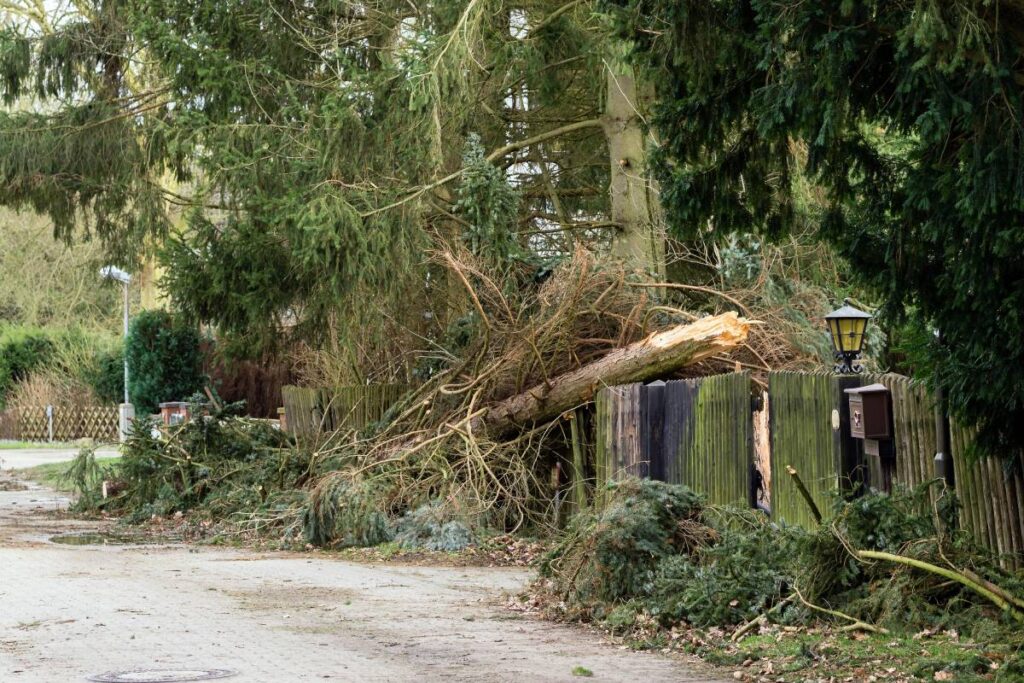
- Assessment: Check for punctures in the roof deck and cracks in the siding. If a tree has fallen on the house, assume structural damage to the trusses/rafters until proven otherwise.
- The Fallen Tree Factor: Prevention is always cheaper than restoration. Regular maintenance of your property’s canopy can significantly reduce the risk of falling limbs during high winds. Knowing how to prune trees correctly ensures that your greenery remains an asset rather than becoming a projectile hazard.
- Professional Removal: Do not attempt to cut a large tree off a roof yourself; the sudden weight shift can cause the roof to collapse further. Specialists like Wiktora Bros Tree Lopping Works use specific rigging techniques to lift trees vertically off structures, preventing secondary crush damage during the removal process.
Immediate Safety and Mitigation Steps
Before thinking about permanent repairs, you must stop the bleeding. This is called “Mitigation,” and most insurance policies require you to take these steps to prevent further damage.
Safety First:
- Electrical: If there is standing water, turn off the main power at the breaker box (if safe to do so).
- Gas: Smell rotten eggs? Leave immediately and call the utility company.
- Structure: If walls are bulging or the roof line is sagging, evacuate.
The “Blue Roof” Solution (Tarping). If your roof is compromised, you need to install a tarp immediately.
- Buy a heavy-duty woven tarp.
- Wrap the tarp over the peak (ridge) of the roof to prevent water from running under it.
- Secure the tarp using 2x4s nailed into the roof deck (through the tarp). Do not just weigh it down with bricks; wind will blow them off.
Boarding Up: Use 5/8-inch plywood to cover broken windows. Secure the plywood with bolts or tension clips rather than nails to minimise frame damage.
How to Fix Storm Damage: Repair vs. Replace
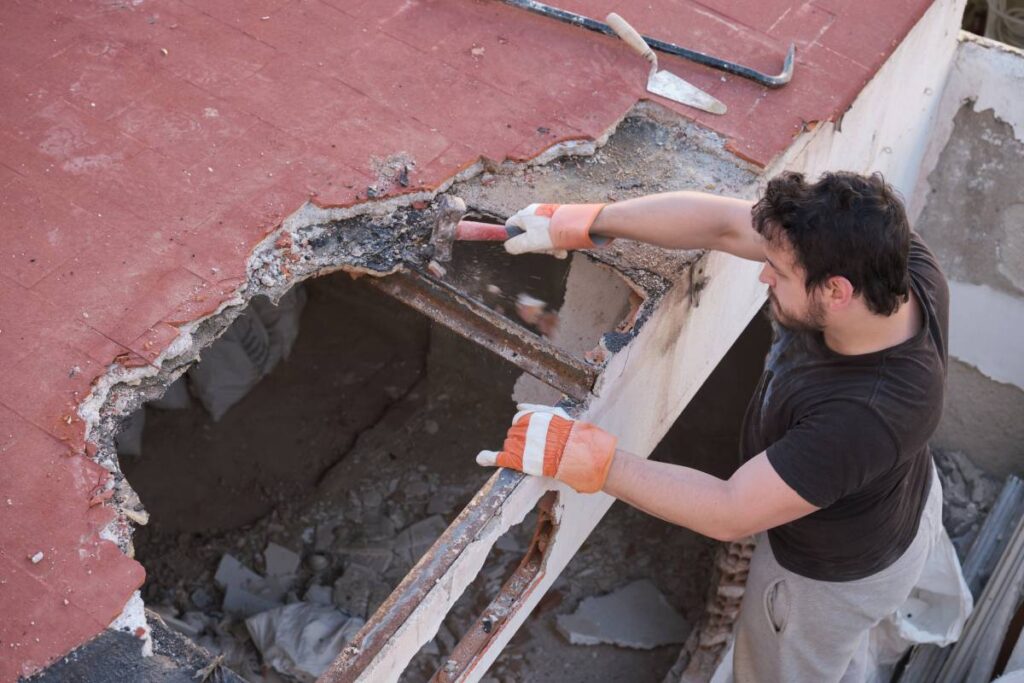
Once the storm passes and safety is secured, the restoration begins.
Fixing Roof Damage
- Minor (Missing Shingles): If the damage is isolated to a few tabs, a roofer can perform a “patch repair.” They will slide new shingles in and re-seal them. Key: The new shingles must match the old ones in granule composition, or the repair will look obvious and age differently.
- Major (Hail/Uplift): If hail has bruised more than 30% of a roof slope, a total replacement is usually recommended. Patching hail damage is ineffective because the integrity of the surrounding shingles is likely compromised.
Drying Out Water Damage
This is not a DIY job for a shop vac.
- Extraction: Professional pumps remove standing water.
- Demolition: Wet drywall acts like a sponge. It must be cut out at least 12 inches above the water line. Wet insulation must be discarded.
- Dehumidification: Industrial dehumidifiers and air movers are used to pull moisture out of studs and subfloors.
- Sanitisation: Anti-microbial agents are applied to prevent mould.
Repairing Siding
- Vinyl: Individual panels can be unlocked and replaced using a “zip tool.”
- Fibre Cement/Wood: Damaged boards must be pried off. Special care must be taken to ensure the weather-resistive barrier (house wrap) underneath is intact. If the wrap is torn, water will rot your wall studs.
Navigating the Insurance Claims Process
The difference between a fully funded repair and a denied claim often comes down to documentation.
- Document Everything: Take photos and videos before you move any debris. Keep samples of damaged materials (like a piece of carpet or a shingle).
- Date of Loss: Be precise about when the storm occurred.
- The Adjuster Meeting: Have a trusted contractor present when the insurance adjuster inspects your property. The contractor can point out damage the adjuster might miss, such as subtle hail strikes or structural shifts.
- Beware of “Assignment of Benefits” (AOB): Be cautious of contractors who ask you to sign away your insurance rights. Retain control of your claim.
Conclusion & Next Steps
Storm damage is a force of nature, but the restoration is a feat of engineering and patience. Whether it’s wind peeling back your roof or water intruding into your basement, the path to recovery follows a strict order: Ensure Safety -> Mitigate Further Damage -> Document -> Repair.
By understanding the mechanics of how the damage occurred, you are better equipped to advocate for the right repairs and ensure your home is fortified against the next storm.
Next Steps for You:
- Perform a ground-level inspection of your home today.
- Check your insurance policy deductible.
- If you have damage, contact a reputable restoration professional immediately for a moisture assessment.
Key Takeaways (FAQ)
Q: Can I fix storm damage myself? A: You can perform mitigation (tarping, boarding up), but structural repairs, roofing, and water extraction require licensed professionals to ensure code compliance and safety.
Q: How do I know if I have hail damage? A: Look for dents in your gutters or downspouts. On the roof, look for dark spots where granules are missing.
Q: Will insurance cover storm damage? A: Standard policies usually cover wind, hail, and fallen trees. However, flood damage (rising water) usually requires a separate flood insurance policy.