
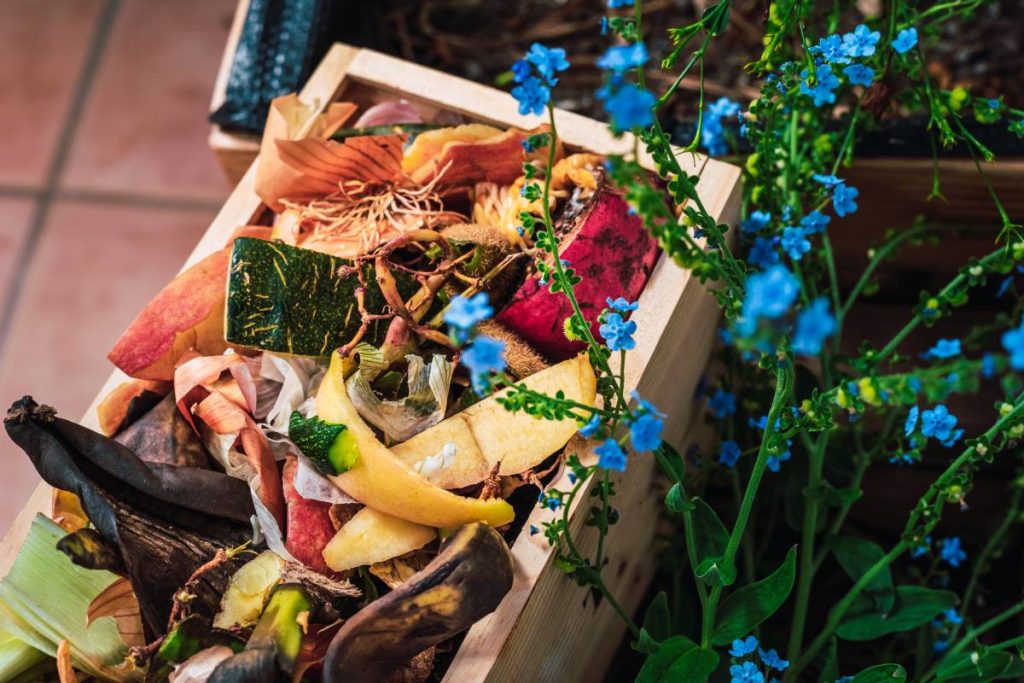

Food waste is a growing issue across the globe, and Australia is no exception. Every year, Australians throw away approximately 7.6 million tonnes of food—an economic loss of over $36.6 billion and a significant environmental burden.
In the foodservice sector, restaurants play a critical role in both contributing to and combating food waste. With increasing environmental awareness, evolving customer expectations, and tightening regulations, many restaurants across Australia are now taking serious steps to reduce, manage, and repurpose food waste.
In this article, we’ll explore how Australian restaurants are managing food waste, the innovative technologies they’re using, key strategies in play, and the challenges they face along the way.
Understanding the Scope of the Problem
Food waste in restaurants occurs at multiple points: during food preparation (peelings, trimmings, spoiled stock), plate waste (uneaten portions left by customers), and inventory loss (expired or overstocked items). In Australia, about one-third of the food produced goes to waste, with restaurants being responsible for a significant share due to the nature of commercial cooking, variable demand, and large portion sizes.
Beyond just being a waste of food, throwing away edible items also means wasting the water, energy, labour, and resources that went into producing it. Moreover, food that ends up in landfills contributes to greenhouse gas emissions, particularly methane.
Key Strategies Restaurants Use to Manage Food Waste
1. Conducting Food Waste Audits
Many Australian restaurants are beginning their waste-reduction journeys by conducting audits. These audits help identify:
- Where food is being wasted (kitchen, storage, or dining room).
- What type of food is wasted (meat, produce, dairy).
- Why it’s happening (over-preparation, spoilage, oversized portions).
By tracking this data, restaurants can make informed decisions. For instance, a Sydney-based bistro discovered that its large serving sizes led to significant plate waste. After resizing portions and offering customers a choice of meal sizes, they cut waste and increased customer satisfaction.
2. Improved Inventory and Stock Management
Wastage often occurs due to over-ordering or improper stock rotation. Many restaurants are now:
- Using inventory tracking software to monitor expiry dates.
- Implementing First In, First Out (FIFO) methods.
- Training staff in proper food storage techniques.
Digital tools like ResQ Club, Y Waste, and Foodbomb help restaurants order smarter and reduce excess purchases. Some platforms even connect restaurants with suppliers offering exact quantities and flexible delivery, helping businesses maintain fresh stock without overcommitting.
3. Smarter Menu Design
Restaurants in Australia are redesigning their menus with waste reduction in mind. Examples include:
- Creating dishes that use ingredients across multiple recipes to ensure full use of stock.
- Using “root-to-leaf” and “nose-to-tail” cooking, where all parts of produce or meat are utilised.
- Offering “chef’s special” menus that change daily based on surplus ingredients.
For example, a café in Melbourne turned yesterday’s unsold bread into croutons and bread pudding for the next day’s menu, cutting waste while saving money.
4. Embracing Food Donation and Redistribution
Instead of throwing out surplus food, many restaurants are partnering with food rescue organisations like:
- OzHarvest
- Foodbank Australia
- SecondBite
These charities collect surplus but edible food and distribute it to those in need, including shelters, community kitchens, and low-income households. Thanks to government support, donating food has become easier and more secure for restaurants, with Good Samaritan laws offering legal protection.
5. On-Site Composting and Waste Separation
Restaurants with space and resources are investing in on-site composting systems to deal with organic waste responsibly. For others, partnering with commercial composting services is the norm.
Restaurants are also improving waste separation at the source:
- Designated bins for food scraps, recyclables, and landfill waste.
- Clear signage in kitchen and staff areas to encourage compliance.
- Training staff on the importance of waste separation.
Some restaurants even use the compost produced to grow herbs and vegetables used in their own kitchens—a full-circle sustainability practice that resonates with eco-conscious diners.
6. Leveraging Technology to Fight Waste
Australian tech start-ups and sustainability-focused companies are helping restaurants manage food waste more effectively. Innovations include:
- Smart bins that weigh and analyse discarded food.
- AI-powered forecasting tools that predict customer demand and suggest optimal stock levels.
- Food waste tracking apps for staff to log what gets thrown out and why.
An example is Winnow, a smart waste solution used by some hospitality businesses in Australia. It helps kitchens reduce food waste by analysing waste patterns and making recommendations, with some venues cutting waste by over 50%.
7. Community Engagement and Transparency
More restaurants are embracing transparency about their sustainability efforts. Diners are becoming more environmentally conscious, and showcasing food waste reduction initiatives can attract eco-minded customers.
Examples include:
- Displaying “food waste impact” stats on the restaurant’s website or menu.
- Promoting donation and composting efforts on social media.
- Engaging customers with programs like “Take-Home Leftovers,” where uneaten meals are packed for takeaway.
In fact, some restaurants go a step further by offering discounts for customers who bring their own containers or by partnering with food-sharing apps to sell surplus meals at reduced prices.
Government and Industry Support
The Australian Government’s National Food Waste Strategy aims to halve food waste by 2030. As part of this initiative, restaurants are encouraged to:
- Report on waste reduction efforts.
- Access grants and funding for sustainable upgrades.
- Participate in food rescue and education campaigns.
Organisations like Fight Food Waste CRC (Cooperative Research Centre) are also helping the hospitality industry with research and practical tools to cut waste.
Challenges in Food Waste Management
Despite progress, there are still barriers:
- Costs: Composting machines, smart bins, and software tools require upfront investment.
- Training: Regular staff turnover in hospitality makes consistent education difficult.
- Space limitations: Small restaurants may lack the space for multiple bins or composting systems.
- Time constraints: Busy kitchens often prioritise speed over sustainable practices.
However, the benefits—both financial and environmental—are encouraging more businesses to overcome these hurdles.
The Future: Circular Economy and Zero Waste Dining
The ultimate goal for many Australian restaurants is to operate as part of a circular food economy, where waste is designed out of the system altogether. This involves:
- Partnering with local farmers to return compost to the soil.
- Investing in reusable packaging and sustainable delivery practices.
- Supporting regenerative agriculture and ethical sourcing.
As diners increasingly value sustainability, restaurants that embrace zero-waste principles may gain a competitive advantage and lead the industry into a greener future.
Conclusion
Restaurants in Australia are stepping up to address food waste, not just because it’s good for the planet, but because it makes good business sense. From smart technology and composting to food donation and innovative menu planning, hospitality businesses are finding creative and impactful ways to reduce their food footprint.
While challenges remain, the combined efforts of restaurateurs, government bodies, NGOs, and consumers are building a more sustainable future for foodservice in Australia—one meal at a time.
Whether you’re a restaurant owner, chef, or simply a conscious diner, understanding how food waste is managed behind the scenes can inspire positive action and deeper appreciation for what ends up on our plates. For restaurants seeking efficient, scalable composting solutions, systems like HASS Thailand‘s Commercial Food Waste Composter offer a compact and eco-friendly option. These machines can quickly break down organic kitchen waste, reduce odour, and help turn waste into usable compost—making them an excellent choice for Australian establishments serious about closing the food waste loop.
With the right mindset, technology, and support, Australia’s hospitality industry is well on its way to a more sustainable and waste-conscious future—one plate, one bin, and one solution at a time.


![How Much Does It Cost to Transport a Caravan Interstate? [2025 Guide]](https://dazeofdisruption.com.au/wp-content/uploads/2025/10/caravan-with-trailer-motorhome-with-bike-driving-2025-01-22-02-57-03-utc-1-150x150.jpg)