
In the heavy machinery world, the choices you make can really impact how well your business runs. Whether you’re thinking about renting or buying new machinery or trying to find good aftermarket parts for your Caterpillar equipment, each option has its own pros and cons.
Knowing this stuff can help you run your operations better, save money, and keep your equipment in top shape. This guide will look at the good and bad sides of renting versus buying machinery and give you tips for finding top-notch aftermarket parts for Caterpillar machines.
How Many Types of Caterpillar Machinery in the Mining Industry?
Caterpillar is a well-known brand in the mining industry, providing a wide range of machinery designed to handle the tough and demanding conditions found in mines. These machines are essential for various tasks, including excavation, transportation, and material handling. Here’s an overview of some of the main types of Caterpillar machinery used in the mining industry.
1. Excavators
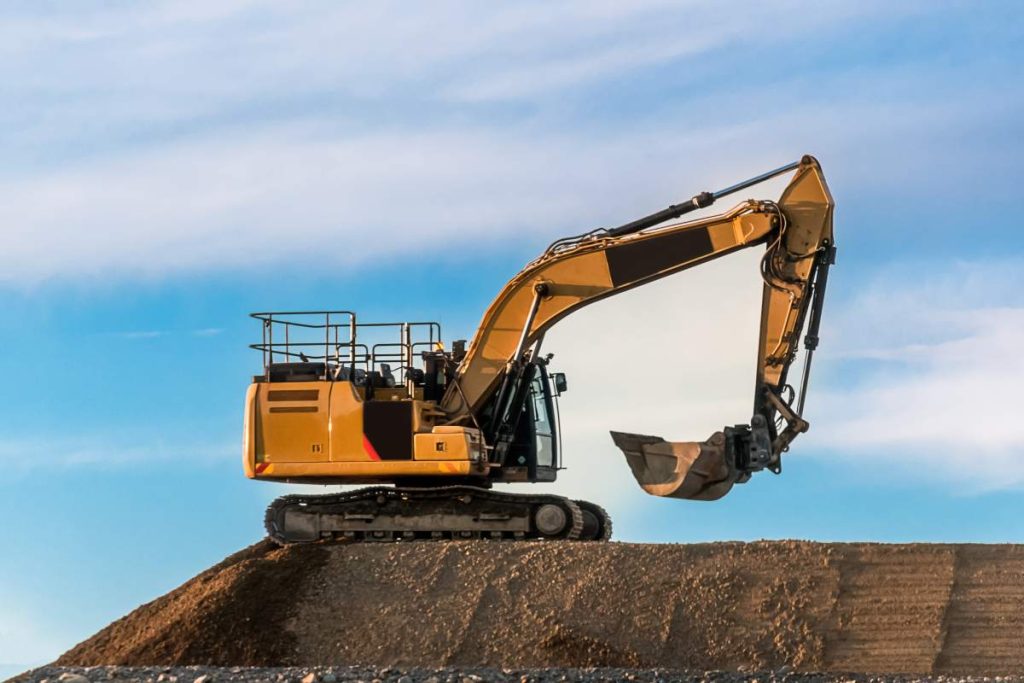
Excavators are one of the most versatile pieces of machinery in mining. They are used for digging, moving large amounts of earth, and even demolition work. Caterpillar offers a range of excavators, including large hydraulic excavators specifically designed for mining operations.
These machines are equipped with powerful engines and advanced hydraulic systems, allowing them to dig and move massive amounts of material efficiently.
2. Mining Trucks
Caterpillar’s mining trucks are a common sight in mines worldwide. These trucks are designed to transport large amounts of material, such as ore, coal, and overburden, from the excavation site to processing plants or waste dumps.
Caterpillar mining trucks come in various sizes and capacities, with some models capable of carrying over 400 tons of material in a single load. Their durability, efficiency, and ability to handle rough terrain make them essential for mining operations.
3. Wheel Loaders
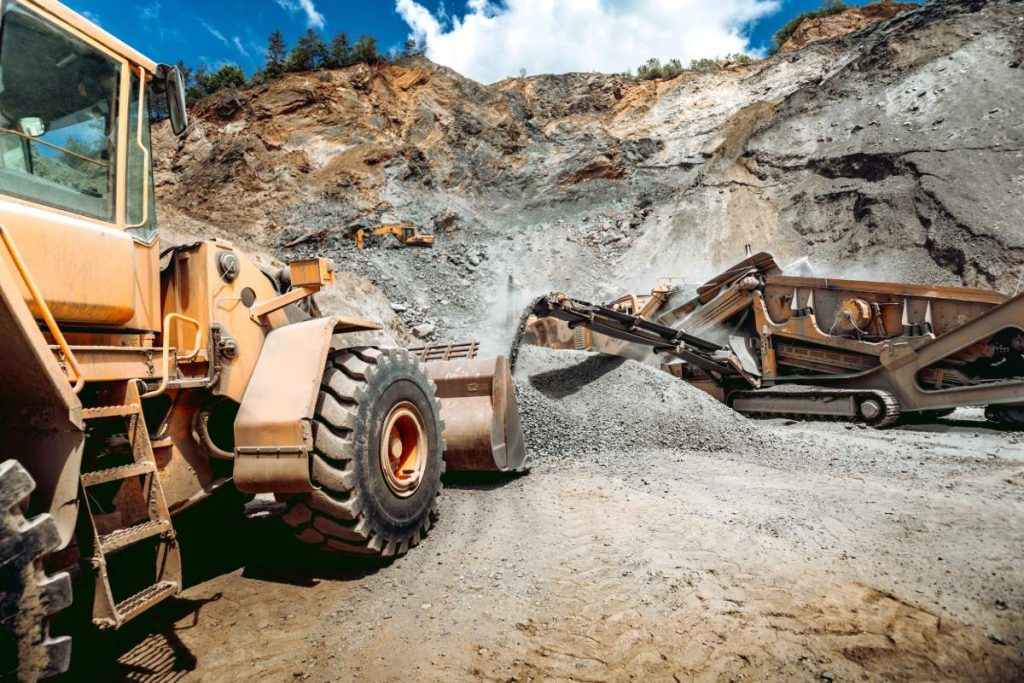
Wheel loaders are used to load materials onto trucks, move earth, and handle other tasks in mining operations. Caterpillar’s wheel loaders are known for their strength and versatility. They come in various sizes, from small to large, to suit different needs in a mining operation.
These machines are equipped with large buckets that can scoop up and move substantial amounts of material quickly, making them vital for keeping mining operations running smoothly.
4. Bulldozers
Bulldozers, or dozers, are powerful machines used to push large quantities of soil, rock, or other materials. In mining, Caterpillar’s bulldozers are used for clearing land, creating access roads, and maintaining mine sites. These machines are known for their strength and ability to handle tough conditions, making them indispensable in the mining industry.
Caterpillar offers various models, from smaller dozers used for precise work to larger models designed for heavy-duty tasks.
5. Motor Graders
Motor graders are used to create smooth and even surfaces, particularly on roads within mining sites. These machines are essential for maintaining the roads that mining trucks use, ensuring they are safe and efficient. Caterpillar’s motor graders are known for their precision and ability to work in harsh conditions, helping to keep the mining operation running smoothly by maintaining roadways.
6. Drills
Drills are crucial in the mining industry for creating holes in the ground to access minerals or for blasting purposes. Caterpillar offers a range of drills designed specifically for mining operations. These machines are built to handle the tough conditions found in mines, with powerful engines and advanced technology to ensure accurate and efficient drilling.
7. Underground Mining Loaders and Trucks
For underground mining operations, Caterpillar provides specialized machinery such as underground loaders and trucks. These machines are designed to work in the confined spaces of underground mines, where space is limited, and conditions can be harsh.
Underground loaders are used to scoop up material and load it onto trucks, which then transport it to the surface or processing areas.
8. Draglines
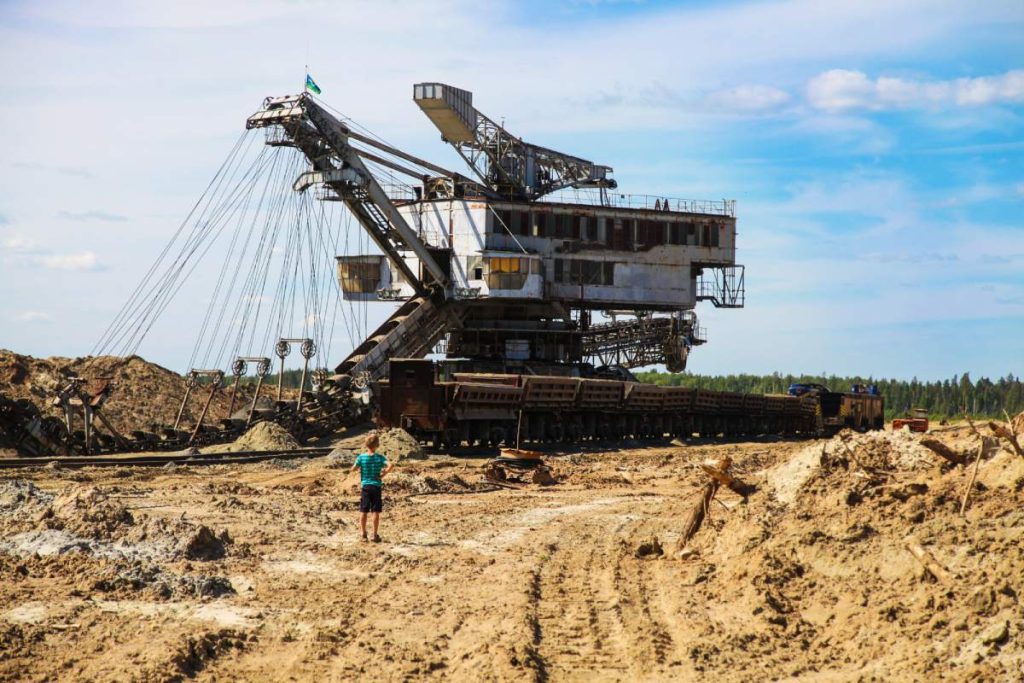
Draglines are large machines used in surface mining operations to remove overburden and expose minerals. These machines use a bucket attached to a long boom to scoop up material and move it away from the mining site.
Caterpillar’s draglines are some of the largest machines in the mining industry, capable of moving massive amounts of material in a single pass.
Renting Vs. Buying a New Machinery: Which One is Better?
When deciding between renting or buying new machinery for your business, particularly in industries like mining, construction, or manufacturing, it’s important to weigh the pros and cons of each option. Both renting and buying have their advantages and disadvantages, depending on your specific needs, financial situation, and long-term goals.
Here’s a breakdown to help you determine which option might be better for you.
Renting Machinery
Advantages:
- Lower Upfront Costs: Renting typically requires a smaller initial investment compared to purchasing. This can be beneficial if you have limited capital or need to allocate funds elsewhere.
- Flexibility: Renting provides flexibility to switch between different types of machinery based on current project needs. If you only need a piece of equipment for a short-term project or for a specific task, renting allows you to get the right equipment without committing to a long-term purchase.
- Maintenance and Repairs: Rental agreements often include maintenance and repair services, which means you don’t have to worry about these additional costs and responsibilities. This can save you time and money, especially if you’re using the machinery frequently.
- Avoiding Depreciation: Machinery can depreciate quickly, especially if it’s used heavily. By renting, you avoid the risk of depreciation and can always use the latest models with advanced technology.
Disadvantages:
- Long-Term Costs: While renting can be cost-effective for short-term needs, the costs can add up over time if you need the equipment for an extended period. In such cases, renting might end up being more expensive than buying.
- Availability: Depending on demand and rental company inventory, you might face delays or issues with availability. This can be a problem if you need specific machinery on short notice.
- Customization Limits: Rental equipment may not always meet your specific needs or preferences. You might have less control over the condition and customization of the machinery compared to owning it.
Buying Machinery
Advantages:
- Long-Term Investment: Purchasing machinery is often a better financial decision for long-term use. Once you’ve bought the equipment, it’s yours to use as much as you need, which can be more cost-effective over time compared to renting.
- Customization and Control: Owning machinery gives you the flexibility to customize it to your exact needs. You also have complete control over maintenance and repairs, ensuring that the equipment is kept in optimal condition.
- Depreciation Benefits: In some cases, purchasing equipment can provide tax benefits through depreciation. You can deduct the cost of the machinery over its useful life, which can be advantageous for your business’s financial planning.
- No Rental Restrictions: When you own the equipment, you don’t have to worry about rental restrictions or usage limits. You can use the machinery whenever and however you need.
Disadvantages:
- High Upfront Costs: Buying new machinery requires a significant upfront investment. This can be challenging if you have limited capital or if you need to manage cash flow carefully.
- Maintenance and Repairs: As the owner, you are responsible for all maintenance and repair costs. This can be a considerable expense, especially if the machinery is used frequently or if it requires specialized parts and service.
- Depreciation: Machinery depreciates over time, which can affect its resale value. As the equipment ages, it may also become less efficient or require more repairs, which can impact its overall value.
Since new machinery is often expensive and complicated, many businesses and independent operators choose to buy used Caterpillar machinery that has already been used. This can be a more affordable option. Additionally, there are convenient ways to find replacement Caterpillar exhaust parts, attachments, and even used excavators themselves.
Is It Easy to Find Aftermarket Parts For My Caterpillar Machine?
Finding replacement Caterpillar exhaust parts or other spare parts can be relatively easy, but it depends on several factors. Here’s what you need to know:
1. Popularity of the Model
- Common Models: For popular and widely used Caterpillar models, aftermarket parts are generally more accessible. These machines often have a broad market for replacement Caterpillar exhaust parts, and many suppliers specialize in parts for these models.
- Less Common Models: For older or less common models, it might be more challenging to find aftermarket parts. In such cases, availability can vary, and you might need to search more extensively or consult specialized suppliers.
2. Part Type
- Standard Parts: Common components like filters, belts, and hoses are usually easy to find aftermarket. These parts are in high demand and are produced by numerous aftermarket suppliers.
- Specialized Parts: For more specialized or critical components (like hydraulic pumps or engine parts), finding high-quality aftermarket parts might be more challenging. It’s important to ensure that these parts meet the required specifications to maintain the performance and safety of your machinery.
3. Quality and Compatibility
- Reputable Suppliers: Look for replacement Caterpillar exhaust parts from reputable suppliers to ensure quality and compatibility. Some suppliers specialize in aftermarket parts for Caterpillar machines and provide parts that are engineered to meet or exceed OEM (Original Equipment Manufacturer) standards.
- Research and Verification: Always verify that the aftermarket parts are compatible with your specific machine model. Using parts that don’t meet the correct specifications can lead to performance issues or damage.
4. Cost Considerations
- Cost Savings: Aftermarket parts are often more cost-effective than OEM parts, making them a popular choice for many operators looking to reduce maintenance costs.
- Price vs. Quality: While aftermarket parts can be cheaper, it’s important to balance cost with quality. Sometimes, spending a bit more on a high-quality aftermarket part can be more beneficial in the long run than opting for a cheaper, lower-quality option.
5. Supplier Options
- Online Marketplaces: There are various online marketplaces where you can find aftermarket parts for Caterpillar machinery. Websites like eBay, Amazon, or specialized industrial parts retailers often have a wide selection.
- Local Dealers: Local dealers and suppliers that specialize in Caterpillar machinery or heavy equipment often carry a range of aftermarket parts. They can also provide personalized support and advice.
- Specialized Distributors: Some companies focus exclusively on aftermarket parts for heavy machinery. These distributors can offer a broad range of parts and expertise in finding what you need.
6. Support and Warranty
- Manufacturer Support: Check if the aftermarket parts come with any warranty or support. A good warranty can provide peace of mind and protection in case of issues with the part.
- Customer Reviews: Look for reviews or testimonials from other customers to gauge the reliability and performance of the aftermarket parts and suppliers you are considering.
Conclusion
Deciding whether to rent or buy machinery involves careful consideration of your operational needs, financial situation, and long-term goals. Renting offers flexibility and lower upfront costs, while buying can be more cost-effective for long-term use and customization.
Similarly, finding aftermarket parts for your Caterpillar machinery can provide cost savings and availability, but it’s crucial to ensure that the parts are of high quality and compatible with your equipment.